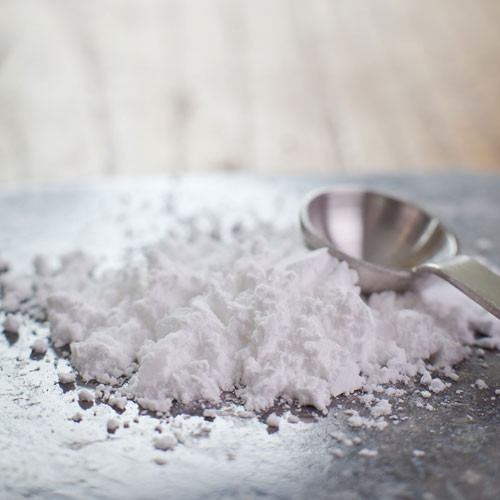
Cream of Tartar
A byproduct of the winemaking process, cream of tartar is an acid most commonly used in baking to stabilize delicate foams and sugar solutions. It can also be used as a leavening agent, tenderizer or acidulate when baking, and even as a coagulant in cheese-making.
- Desserts,
- Dairy
A byproduct of the winemaking process, cream of tartar is an acid most commonly used in baking to stabilize delicate foams and sugar solutions. It can also be used as a leavening agent, tenderizer or acidulate when baking, and even as a coagulant in cheese-making.
- Desserts,
- Dairy
Serving size:
1/4 tsp
Calories:
0
Total Fat:
0g
Saturated Fat:
0g
Trans Fat:
0g
Cholesterol:
0mg
Sodium:
1mg
Total Carbohydrate:
1g
Dietary Fiber:
0g
Total Sugars:
0g
Protein:
0
Gluten-Free, Salt-Free, Kosher, Sugar-Free, Vegan, Cholesterol-Free, Fat-Free
Your Grandma’s go-to stabilizer of yore, Cream of Tartar is the cream of the crop of classic stabilizers for baking and dessert making.
Cream of Tartar can also help boiled vegetables keep their color and texture.
Cream of Tartar: A Baking Essential
Cream of tartar is a fine powder made from potassium bitartrate, also known as potassium hydrogen tartrate, an acidic byproduct of the wine making process. This tartar powder delivers a tangy flavor that plays a key role in baking recipes, helping stabilize egg whites and improve structure in baked goods.
Found in the spice aisle, this ingredient is often the secret ingredient behind consistent results in meringue, angel food cake, and whipped cream. It works as a leavening agent when paired with baking soda, producing carbon dioxide gas that helps dough rise and creates a light texture.
Function, Flavor, and Versatility
Use cream of tartar to prevent crystallization in sugar syrup, candy making, and cookie recipes like snickerdoodle cookies or sugar cookies. It supports sugar crystallization control, creating smooth textures and a chewy texture in cookie dough and cake batter.
A small pinch or teaspoon goes a long way in cooking and baking, especially when a recipe calls for precision. Its acidic nature balances sweetness in food while adding stability to mixtures. From favorite recipes to new ideas, this powder brings structure, flavor, and reliability to your kitchen.