

Confection

Carbonated Sugar


Qty:

0
1
2
3
4
5
6
7
8
9
10
11
12
13
14
15
16
17
18
19
20
21
22
23
24
25
26
27
28
29
30
31
32
33
34
35
36
37
38
39
40
41
42
43
44
45
46
47
48
49
50
51
52
53
54
55
56
57
58
59
60
61
62
63
64
65
66
67
68
69
70
71
72
73
74
75
76
77
78
79
80
81
82
83
84
85
86
87
88
89
90
91
92
93
94
95
96
97
98
99
100

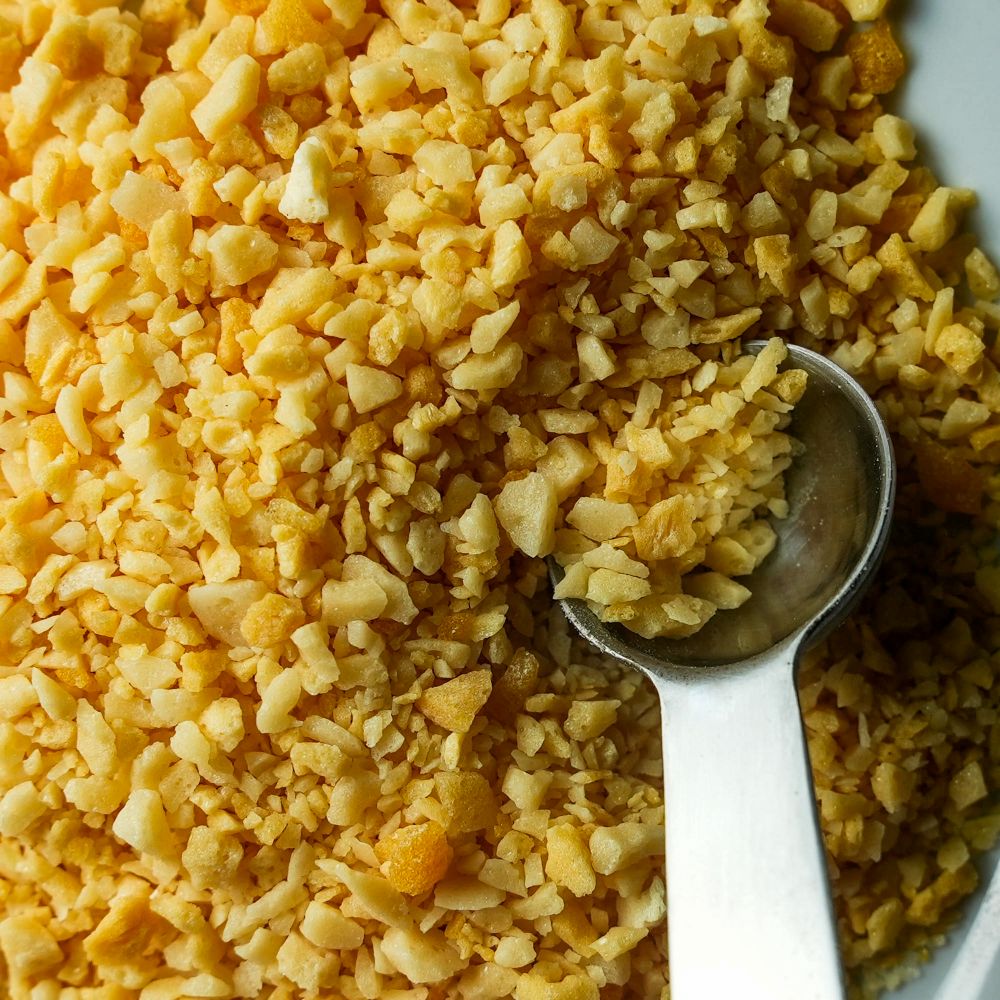
Carbonated sugar, also known as popping sugar, adds a fun, fizzy element to desserts and drinks. It offers the same sweetness as regular sugar, but with a playful, crackling texture that surprises the palate.

Read More
Flavors:
Good on:
  • Desserts,
  • Greens,
  • Fruit,
  • Dairy,
  • Coffee Drinks

Key Ingredients
Full List

Sugar, lactose, corn syrup solids


Milk


Serving size:

1 tbsp

Calories:

60


Total Fat:

0g

Saturated Fat:

0g

Trans Fat:

0g

Cholesterol:

0mg

Sodium:

3mg

Total Carbohydrate:

15g

Dietary Fiber:

0g

Total Sugars:

13g

Protein:

60


Gluten-Free, Salt-Free, Kosher, Vegan, Cholesterol-Free, Fat-Free


Add a fizzy surprise with carbonated sugar – the fun twist for desserts and drinks. Or start your day with a crackle of character on waffles.

Pro Tip

Sprinkle carbonated sugar over dishes that need a pop of sweet just before serving to maintain its popping effect.

Try It On


Carbonated sugar is similar to popping candy - it’s sugar that contains tiny pockets of pressurized carbon dioxide. When it dissolves in your mouth, it releases the gas and creates a popping/fizzing sensation.

Carbonated sugar is made by heating sugar, pressurizing it with carbon dioxide, then cooling it so the gas becomes trapped inside the hardened candy.

Not exactly. Carbonated Sugar typically includes sugar, lactose, corn syrup solids, and carbon dioxide.

We recommend storing Carbonated Sugar in a cool, dry place in an airtight container. Keep them away from humidity and heat to preserve the carbonation. A top tier storage method would be to transfer the sugar crystals into a dry mason jar and store in a cupboard away from any stovetops or microwaves.

The carbonation stays trapped as long as the crystals remain dry and sealed. Once exposed to moisture or humidity, they’ll start losing their popping effect. Even when stored correctly, the crystals will diffuse carbon dioxide over time. It's recommended to use the crystals when they are fresh.

Yes. Heat can cause the crystals to activate prematurely and lose their carbonation effect before they’re eaten. The crystals will diffuse gas quickly above 80 degrees Fahrenheit.

Yes. Moisture activates the crystals and causes them to pop early, which reduces or eliminates the effect when served. The crystals will take moisture from any source they can get. This includes humid air. It’s best to limit exposure to ambient and humid air.

We recommend using carbonated sugar as a finishing ingredient - sprinkled right before serving on desserts, fruit, confections, and plated presentations where the pop is part of the experience.

Not effectively inside baked goods. Heat and moisture will activate the crystals during baking, so it’s best used after baking as a finishing element.

No. Refrigeration isn’t needed and can actually be risky due to condensation. Dry room-temperature storage is best.